How to Brew Sencha Without Bitterness: A Temperature and Time Guide
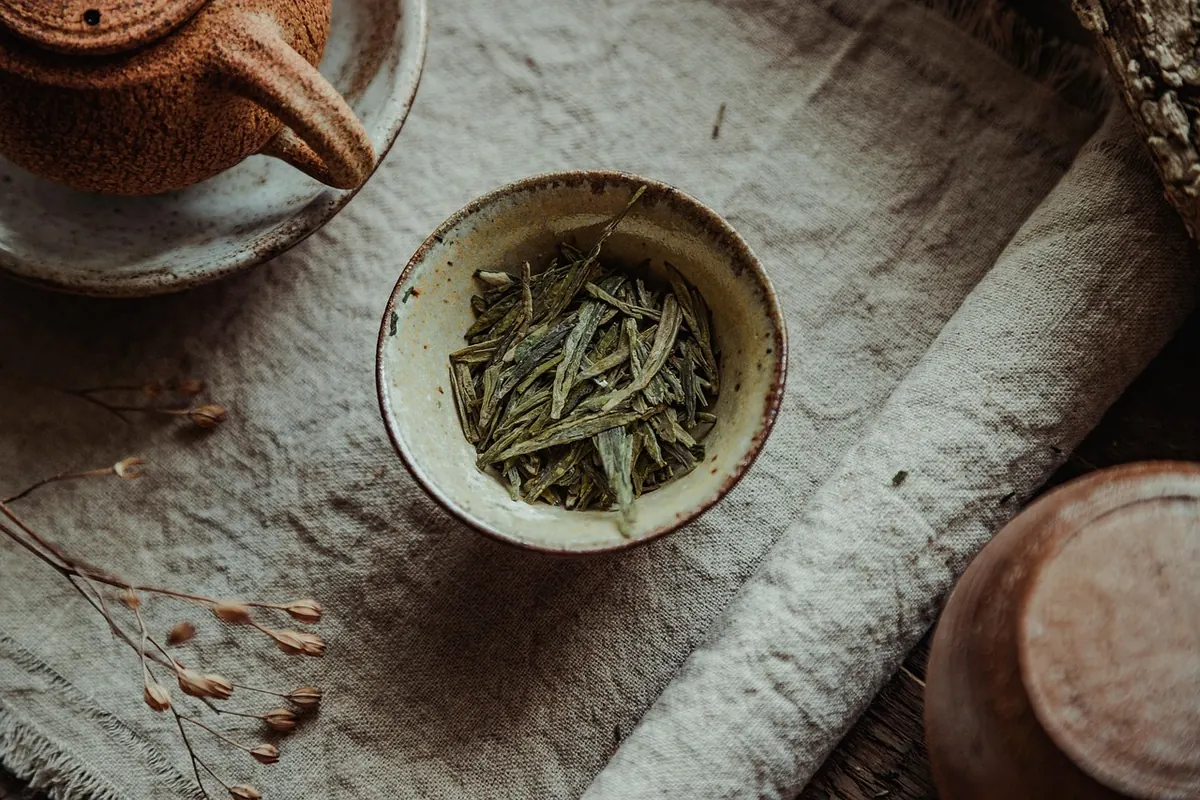
Sencha is the tea most people picture when they think of Japanese green tea: needle-shaped leaves, a bright yellow-green liquor, a smell somewhere between cut grass and fresh hay. It is also the tea most often ruined in the kitchen. A sencha brewed with water straight off the boil tastes harsh and flat, and the leaves that made it were perfectly good.
The fix is not a secret technique. Bitterness in sencha comes from catechins, compounds that dissolve quickly when water is hot and keep dissolving the longer the leaves sit. Sweetness and umami come from amino acids such as theanine, which release gently at lower temperatures. So you are always managing a trade-off, and you have three dials to turn: water temperature, leaf ratio and steep time.
Why Sencha Bites Back
Green tea leaves are not roasted or oxidized the way oolong and black teas are. Sencha is steamed within hours of picking, which locks in both the fresh aroma and those bitter compounds. Hot water is an efficient solvent. At 90°C (194°F) you pull a lot of catechin out of the leaf in under a minute. At 70°C (158°F) the same leaf gives you much less.
That is why a bottle of green tea from a shop and a careful pot at home can taste nothing alike even from identical leaf. The leaf is the same. The extraction is not.
A little bitterness is not a defect. Good sencha has a clean, slightly astringent finish that keeps it from tasting like soup. What you want to avoid is bitterness in front, where nothing else can be tasted.
Water Temperature: The Biggest Dial
For most sencha, aim for 70–80°C (158–176°F). Within that band, move lower for the good stuff and higher for daily tea.
- 60–65°C (140–149°F): for gyokuro and the most delicate first-flush sencha. Expect soft, almost syrupy sweetness with very little bite.
- 70–75°C (158–167°F): the sweet spot for a standard, decent sencha. Grassy, sweet, balanced.
- 80°C (176°F): fine for everyday or lower-grade sencha, and for later infusions.
- 85°C (185°F) and up: expect a sharper, more astringent cup. Useful if that is what you like, risky if it is not.
The pour-to-cool method
No thermometer? Use the traditional Japanese trick. Boil the water, pour it into your empty teacups, and let it stand for a minute or two. Then pour from the cups into the teapot. The cups absorb heat and the pouring itself drops the temperature. As a rough guide, water poured into three small cups and left for a minute lands near 70–75°C. It is not precise, but it is repeatable, and repeatable is what matters.
If you brew often, a small yuzamashi — the handleless cooling pitcher — makes this easier, and an inexpensive instant-read thermometer removes the guesswork entirely. Either way, never pour actively boiling water onto sencha leaves.
Leaf Ratio: More Leaf, Less Time
Sencha is brewed strong and short rather than weak and long. A common starting point is 4–5 grams of leaf — one heaped teaspoon, or two level teaspoons — for 200 ml (about 7 oz) of water. That is roughly double the leaf-to-water ratio you would use for a black tea.
Why so much leaf? Because you are going to pull it out fast. Concentrated leaf plus a short steep gives you body, sweetness and aroma without dragging out the bitter compounds that sit at the tail end of the extraction curve. Weak tea steeped for four minutes to compensate tastes hollow and harsh at the same time.
Adjust from there. If your cup tastes thin even though the steep time was right, add leaf rather than time. If it tastes muddled, cut back slightly.
Steep Times, First Cup to Third
A good sencha gives you two or three worthwhile infusions, and each one wants slightly different treatment.
- First infusion: 70–75°C, 60–90 seconds. This is the sweetest and most aromatic cup.
- Second infusion: 80°C, 30–45 seconds. Hotter and shorter, because the leaf has already opened.
- Third infusion: 85°C, 30–45 seconds. Lighter and leaner, sometimes pleasantly marine or vegetal.
Set a timer for the first few pots. Sencha moves fast; the difference between 60 seconds and 120 seconds at 75°C is the difference between a bright cup and a bitter one, and it is hard to judge by eye when the liquor is already pale.
Details That Quietly Ruin a Pot
Pour every drop. If water stays in contact with the leaves between infusions, they keep steeping and the next cup arrives bitter. Empty the pot completely, and do not press or squeeze the leaves.
Use fresh, soft water. Very hard, mineral-heavy water flattens the flavour of green tea. Freshly drawn water, gently boiled, tastes better than water boiled down and reboiled. If your tap water is heavily chlorinated or very hard, filtered or low-mineral bottled water is worth trying.
Pre-warm the pot, then empty it. A cold teapot steals heat from the first pour. Rinse it with hot water and discard that water before adding leaf.
Mind the leaf itself. Sencha is not a tea to keep for years. Buy in small amounts, store it airtight away from light and strong smells, and use it within a few months of opening. Stale sencha tastes dull no matter how careful your brewing is.
Don't stir or shake. A gentle swirl at the end of the steep is fine. Agitating the leaves hard releases extra astringency.
Your First Sweet Cup: A Routine to Repeat
Boil the kettle. Pour the water into your cups and leave it there while you set out 4–5 grams of sencha in a pre-warmed teapot. After a minute, pour that water over the leaves. Wait 75 seconds. Pour the tea out completely, in turns, so each cup gets the same strength down to the last drop.
Taste it. If it is sweeter than you expected and a little grassy, you have it. If it still bites, drop the temperature by five degrees next time, or shorten the steep by fifteen seconds. If it tastes weak, add a gram of leaf — do not extend the time.
Keep notes for three or four pots. Sencha is a tea that rewards a small amount of attention with a large change in the cup, and once you have your numbers, you will not need the thermometer again.
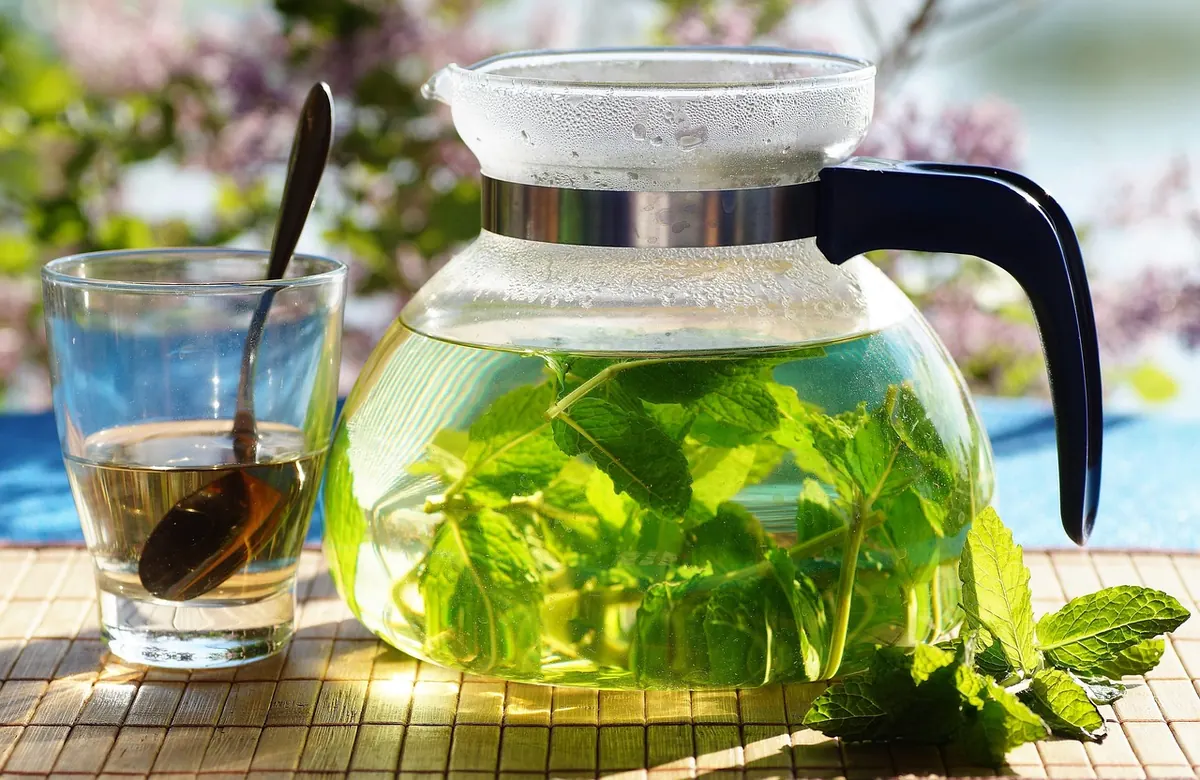
Photo: ivabalk / Pixabay