Electric Kettle vs. Stovetop Kettle: Which One Brews Better Tea?
The kettle is the hardest-working piece of gear in a tea drinker's kitchen. It gets used twice a day, sometimes five times, and it shapes every cup whether you think about it or not. So the electric-versus-stovetop question is not trivial. Both styles deliver hot water; they differ in how much control they hand you over heat, timing, and temperature — and those differences end up in the cup.
Temperature Control: The Line That Divides Them
Different teas want different water. Green teas and many white teas are happiest around 70–80°C (160–175°F). Oolongs usually sit between 85°C and 95°C. Black teas, aged pu-erh, and most herbal blends want water close to a full boil. Get this wrong in either direction and you taste it: too hot and delicate leaves turn bitter and grassy, too cool and a black tea comes out thin and flat.
A variable-temperature electric kettle turns that into a dial. Set 80°C, press go, and it heats, holds, and often beeps when it's ready. Some models keep the water at temperature for twenty or thirty minutes, which is genuinely useful if you're brewing several infusions of the same oolong.
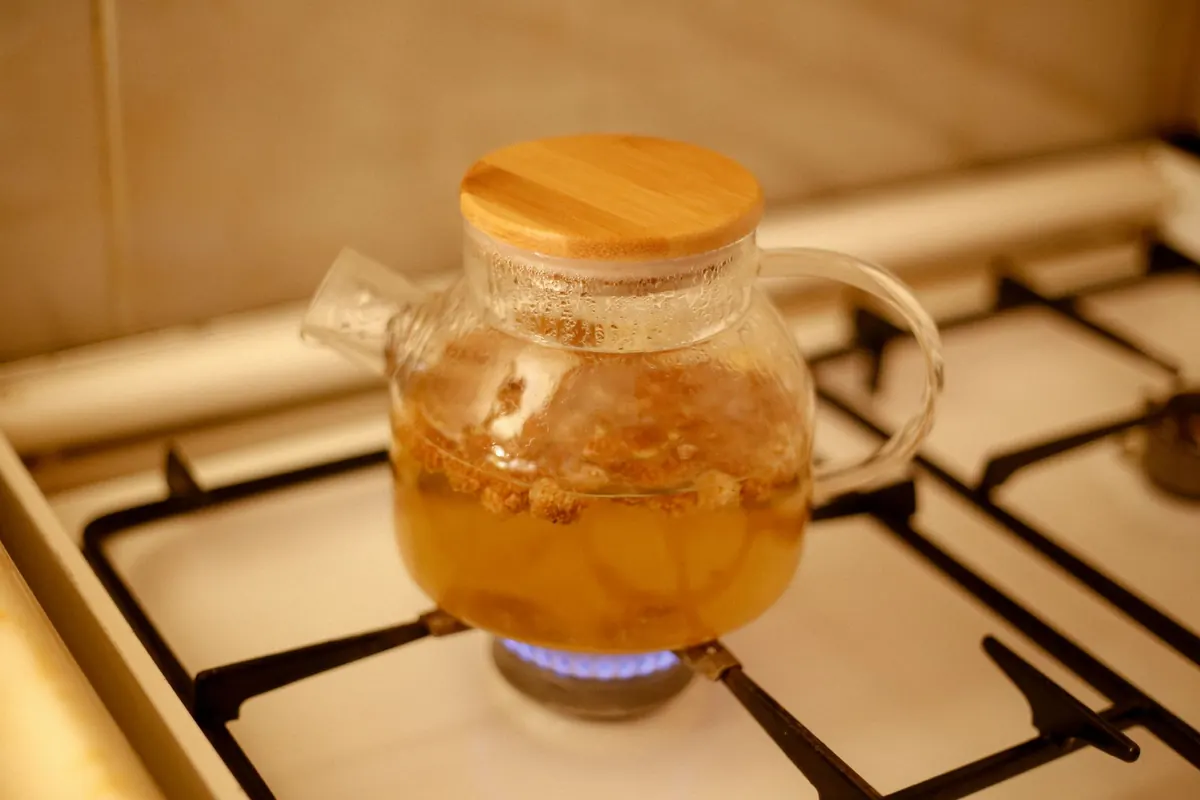
A stovetop kettle gives you no numbers, but it does give you sound and sight. Traditional tea writing describes water stages by bubble size: shrimp eyes, fish eyes, a string of pearls. It's a real skill and a pleasant one to learn, but it takes practice, and hitting 80°C consistently on a gas flame is guesswork. If precise temperatures matter to you and you cook on a stove, buy an inexpensive clip-on thermometer and learn what your kettle sounds like at each stage. That single purchase closes most of the gap.
Speed, Energy, and the Boil You Actually Need
Electric kettles win on predictability. Most draw between 1,500 and 3,000 watts and bring a liter to a rolling boil in a few minutes, then shut off on their own. A stovetop kettle is only as fast as your burner; gas is usually quick, induction is quicker, and a tired electric coil can take considerably longer. If you're brewing before work, that difference is the difference between tea and no tea.
One habit matters more than the hardware: boil only what you need. Filling a large kettle for a single 200 ml cup wastes time and energy in either setup. A small electric kettle or a modest stovetop model used at half capacity will always beat a big one filled to the line.
If you cook on induction, check before you buy. Stovetop kettles need a magnetic base — an inexpensive fridge magnet is the fastest test. Glass and some stainless models simply won't heat.
Convenience, Counter Space, and Daily Habit
An electric kettle earns its counter space through small mercies: auto shutoff, boil-dry protection, a keep-warm setting, and a cordless body you can carry to the table. Goose-neck electric models add slow, steady pour control that matters if you brew gongfu style or make pour-over coffee alongside your tea.
Stovetop kettles live on the hob and ask nothing of your outlets. They can't be unplugged by a curious toddler or tripped over, they never fail because of a burnt heating element, and a good enamel or stainless one can be poured with two hands at a comfortable angle. If your kitchen counter is already crowded, that's a real argument.
Does the Kettle Change the Flavor of Your Tea?
The heating method itself doesn't season the water. What affects flavor is how the kettle is used and what's inside it.
Water quality comes first
Fresh, cold, filtered-but-not-stripped water makes better tea than anything that's been sitting in a kettle overnight. Water that has been boiled repeatedly loses dissolved oxygen and concentrates minerals, which flattens the taste of delicate greens especially. A kettle with temperature control helps here, because you stop blasting green tea leaves with water that's far too hot.
Scale is the quiet saboteur
Limescale builds up in both kinds of kettle. In a stovetop kettle it insulates the base and slows heating; in an electric one it coats the element, makes the kettle louder, and can leave a chalky note in the cup. Descale every month or two in hard-water areas, more often if you see white crust at the waterline.
- Use fresh water each time rather than topping up yesterday's.
- Don't reboil the same water more than once for delicate teas.
- Preheat your teapot or gaiwan with a little hot water while the kettle works.
- Descale with a citric acid solution or a diluted white vinegar boil, then rinse thoroughly and boil fresh water twice before brewing.
Where Stovetop Kettles Still Win
There's a reason generations of tea drinkers kept a kettle on the fire. A stovetop kettle can be repaired, not replaced — a worn handle or gasket is a small fix. It works during a power cut, on a campfire, and on any hob you happen to have. Cast iron and enamel models hold heat and keep a vigorous boil going, which suits big pots of masala chai or herbal infusions where you're simmering spices and leaves directly. And a well-made stainless or enamel kettle has no plastic in the water path, which some drinkers care about deeply.
They also tend to cost less and last longer. The trade-off is precision and speed.
Matching the Kettle to Your Tea Habit
Skip the brand comparisons for a moment and answer four practical questions.
- How many of your teas brew below boiling? If you drink mostly green, white, or lightly oxidised oolong, a variable-temperature electric kettle will improve your tea immediately. If you drink black tea and herbal blends all day, a basic kettle of either type is fine.
- Do you need pour control? Gongfu brewing and slow, small pours reward a gooseneck. Either style offers one, but electric gooseneck kettles with temperature holds are the more common option.
- What's your hob and your counter? Induction rules out non-magnetic kettles. A cramped kitchen argues for a stovetop model; a rushed morning argues for electric.
- How do you feel about repairs? If you'd rather replace a heating element than learn to judge water by ear, choose electric. If you want something you can hand down, choose stovetop and buy a thermometer.
Whichever you choose, keep it clean, fill it with fresh water, and stop it before it boils when the leaves call for less. The kettle doesn't make the tea. It just decides how much of the tea you get to taste.
Photo: betül nur akyürek / Pexels