
Climate Change and Your Cuppa: How Warming Weather Is Changing Darjeeling Tea
Pour a good first flush Darjeeling and you can taste a specific kind of spring: cold nights, thin mountain air, a bush growing so slowly that it puts its energy into aroma instead of bulk. That spring is being rearranged. Warmer winters, stranger rain and earlier picking are changing what reaches the cup — and, inevitably, what it costs.
Why Darjeeling Tea Tastes Like Darjeeling
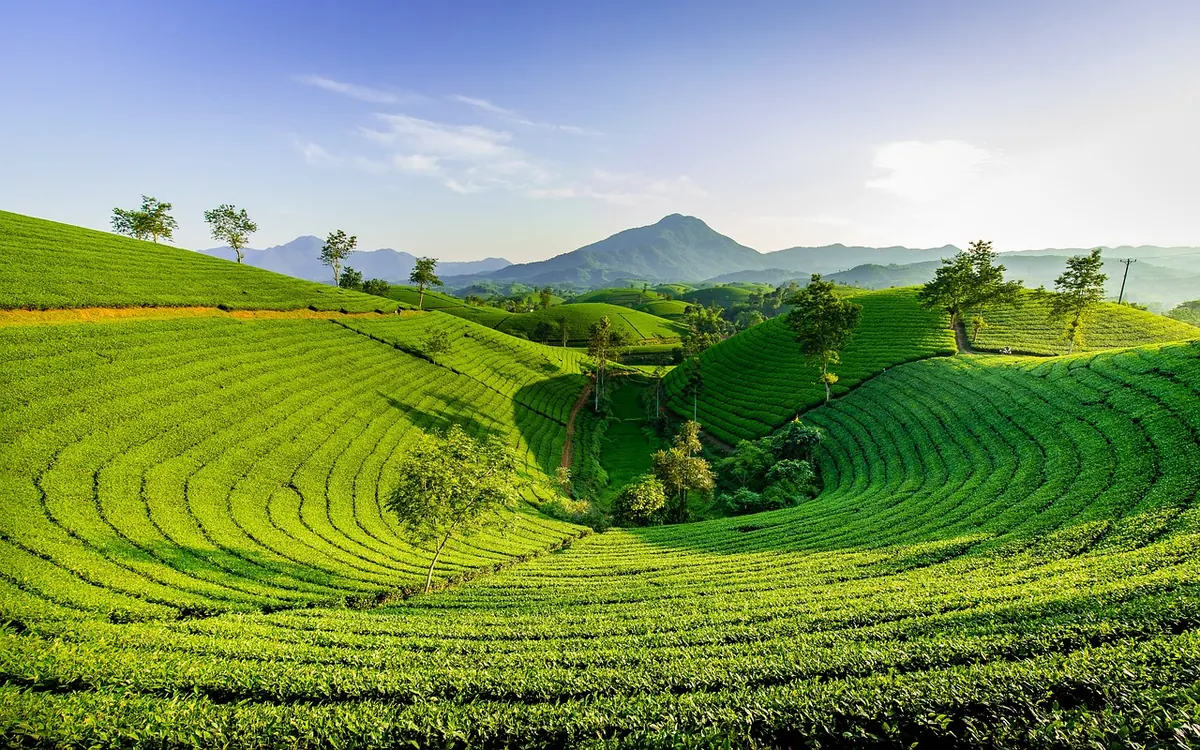
The gardens sit on steep ridges in the Himalayan foothills of West Bengal, mostly between roughly 600 and 2,000 metres. That altitude does the work. Cool nights slow the plant down; mist keeps the leaves hydrated without drenching them; the thin, well-drained mountain soil forces deep roots. The bushes themselves are largely the small-leaf Chinese variety, planted from the mid-nineteenth century onwards, rather than the big, robust Assam type grown in the plains below.
Slow growth concentrates flavour. A leaf that takes its time ends up with the floral, green-apple, sometimes faintly muscatel character that made the district famous, along with a brisk astringency that survives milk badly and rewards patience.
The year is divided into flushes, and each is a narrow window:
- First flush — picked from late February or March into April. Pale, brisk, floral, sometimes grassy.
- Second flush — late May into June. Rounder and darker, with the muscatel note often linked to the plant's reaction to jassid feeding.
- Monsoon flush — July to September. Bigger crops, coarser leaves, mostly destined for blends and masala chai.
- Autumn flush — October and November. Mellow, amber, gentle, and quietly underrated.
Every one of those windows depends on weather arriving on schedule. Lately, it hasn't.
The Weather Has Already Changed
Growers in the district describe a pattern that has become familiar across mountain tea regions: winters that no longer get properly cold, and rain that arrives in fewer but far heavier bursts.
That first point matters more than it sounds. Darjeeling bushes need a cool, dry resting period to shut down, store energy and then break bud evenly in spring. Mild winters leave the plant half-awake. Buds come unevenly, the first flush loses its famous crispness, and the whole calendar wobbles from the start.
The rain is the second problem. A month's worth of water can now fall in a day or two, running off steep slopes instead of soaking in, taking topsoil with it. Then comes a three-week dry spell in what should be a damp month. Tea roots hate both extremes. A garden can be waterlogged in June and drought-stressed by August.
The Flush Calendar Is Sliding
Earlier springs pull the first flush forward in some years. Then a late cold snap stalls it, and pickers who were called in are sent home. When the leaves finally come, they come all at once, and a garden that normally spreads its plucking over weeks has to compress it into days.
The second flush is more fragile still. It needs steady warmth and reliable humidity to build that muscatel depth. A sudden hot spell pushes the leaves past their ideal point; too much rain washes the aroma out. The gap between a bright, complex lot and a flat one can be a single week of wrong weather.
This is not only an agricultural problem. Plucking is done by hand, mostly by women who have worked the same sections for years. When the harvest window narrows, labour has to be reorganised fast, and quality control gets harder at exactly the moment it matters most.
Pests, Stressed Bushes and Thinner Yields
Warmer, damper conditions suit the insects that trouble tea: the tea mosquito bug, loopers, and mites that thrive when dry spells stress the plant. Pest pressure that used to be seasonal now turns up in unexpected months. Organic gardens, which cannot reach for a quick chemical fix, feel this most sharply.
Add hailstorms that shred tender leaves and landslides that cut roads during the monsoon, and the arithmetic gets grim. Yields fall. Costs rise, because stressed gardens need more attention and more labour for less leaf. None of this is uniform — a garden on a north-facing slope may fare well while its neighbour struggles — but the direction is consistent.
What It Means for Quality and Price
Two things follow from all of this. First, vintage variation. A garden you loved two years ago may taste noticeably different this year, and not because anyone did anything wrong. Judging a Darjeeling by brand alone is becoming less reliable than judging it by garden, flush and year.
Second, price. Less leaf and higher costs push up the cost of the best lots, and the gap between ordinary and exceptional Darjeeling widens. Meanwhile, a large share of what is sold worldwide under the Darjeeling name is blended with tea from elsewhere — a long-standing issue that becomes more tempting when genuine supply tightens. If the label says only "Darjeeling blend," you are probably not drinking the mountain.
What Growers Are Doing About It
None of this has gone unchallenged. Across the district, gardens have been planting shade trees to cool the soil and hold moisture, digging contour trenches and ponds to catch monsoon runoff, mulching heavily, and installing drip irrigation where the terrain allows. Some are replanting exhausted sections with hardier cultivars and adjusting pruning cycles so that bushes recover better from stress. Others are building soil organic matter, which does more for drought resilience than almost anything else.
The hard limit is geography. You cannot move a garden twenty kilometres north, and you cannot cool a ridge. Adaptation here means buying time, not solving the problem.
Making the Most of Your Darjeeling Cup
You cannot fix the weather with a teapot. You can, though, drink more thoughtfully — and that pressure does reach the gardens.
- Buy single-garden, single-flush where you can. An estate name and a flush tell you far more than a pretty tin.
- Look for the harvest year. Darjeelings are vintage products. Last year's first flush is not this year's.
- Expect variation between years and judge each lot on its own terms rather than against a memory.
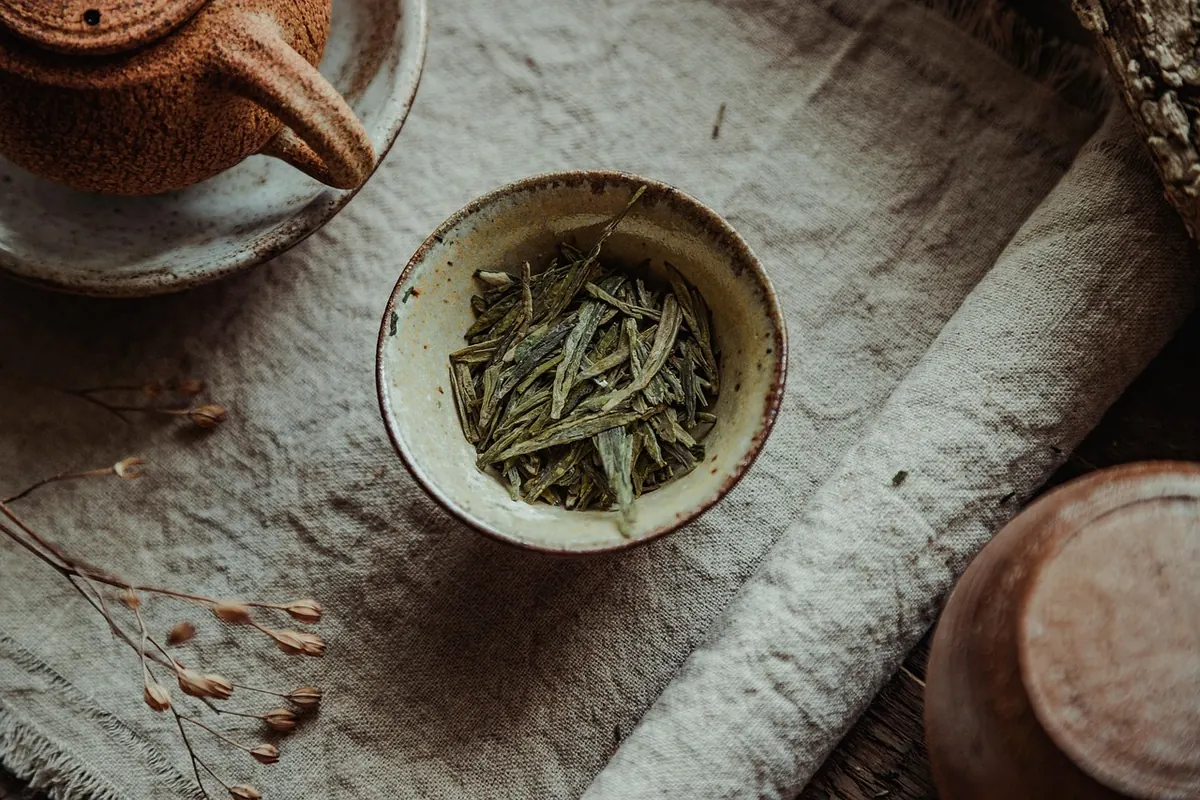
- Brew cooler than you would an Assam. Around 85–90°C for two to three minutes protects the aromatics that make these teas worth the money.
- Store it away from light, heat and strong smells, and drink first flush within a year or so while the brightness lasts.
Prices and availability shift with each harvest, so treat any figure you see as a snapshot rather than a rule. What stays constant is the reason to pay attention: a cup of Darjeeling is a record of one particular spring on one particular ridge. Those springs are changing, and the teas are changing with them. Tasting carefully — and asking where the leaf actually came from — is the most useful thing a drinker can do.
Photo: anilitf / Pixabay