How to Host a Seasonal Tea Tasting: A Step-by-Step Checklist
A tea tasting does not need a sommelier, a silver tray, or a menu printed in three languages. It needs a table, a kettle, a few good leaves, and a reason for people to sit down together for two hours. The reason is the season. Build the tasting around what the weather is doing outside, and the whole evening finds its shape: fresh greens as the garden wakes up, cold-brewed oolongs in July heat, roasted leaves when the air turns sharp, aged puerh when the windows fog over. What follows is the same order of decisions every time, from theme to final cup.
Start With the Season, Not the Tea
Most hosts make the same mistake: they buy teas they are excited about, then try to invent a theme afterward. Reverse it. Choose the mood first, and the shopping list becomes obvious.
Think about temperature, light, food, and how long people will want to sit. A late-spring tasting of first-flush greens and light oolongs suits an afternoon with the windows open. A summer table wants cold-brewed oolongs, a lightly oxidized pouchong, and plenty of ice water on the side. Autumn invites roasted tieguanyin, yancha, or hojicha, teas that taste like toasted grain and warm stone. Winter is for ripe puerh, aged white, and anything that coats the throat.
Write your theme in one sentence before you buy anything. “An autumn table of roasted oolongs, from Taiwan to Fujian” works. If you cannot fit it into one sentence, you have two tastings, not one.
Choose Four to Six Teas, and Give Each One a Job
Four teas is the floor. Six is the ceiling for most groups, because palates flatten after an hour and a half and the last tea ends up tasting like the fifth. Within that range, every tea should earn its place.
A lineup with a shape
- The opener. Bright, forgiving, low in bitterness. Guests need a gentle first sip while they settle in and learn the rhythm.
- The core pair. Two teas from the same family, brewed side by side so the differences are the point. Two Taiwanese oolongs at different oxidation levels, for instance, or two spring greens from neighbouring regions.
- The contrast. One tea that breaks the pattern, a smoky lapsang or a sharp young sheng, to wake the room up.
- The closer. Something deep, sweet, and slow: an aged white, a ripe puerh, a dark roasted oolong on its fourth steep.
Buying and portioning
Buy small. Samples of ten to twenty-five grams let you taste widely without committing to a cake or a large tin. For brewing, a generous starting point is about three grams of leaf per person per tea if you are steeping several short rounds in a small pot, and closer to two grams if each tea gets one longer infusion in a mug. Adjust after the first tea, not the fourth.
Offer a caffeine-free herbal alongside the lineup, and keep a jug of water on the table. Anyone who is pregnant, caffeine-sensitive, or taking medication should check with a doctor about what they drink; a tasting is easy to adapt once you know.
Set the Table Before Anyone Arrives
Lay out one small cup per guest per tea, or ask people to keep a single cup and rinse it between rounds. Set a rinse bowl, a kettle you can pour precisely from, and a second source of hot water so you are not running to the kitchen mid-sentence. Print or hand-write simple note cards with three columns: aroma, taste, finish.
Water matters more than most hosts expect. Fresh, low-mineral water lets the leaf speak. As a working guide: around 70–80°C for delicate greens, 85–90°C for most oolongs, and just off the boil for blacks, puerhs, and aged teas. Keep strong snacks off the table. Plain rice crackers, a little plain bread, or nothing at all. Perfume, scented candles, and heavily spiced food will flatten everything in the cups.
Guide Guests Through Aroma, Taste, and Notes
Your job during the tasting is not to lecture. It is to slow people down by thirty seconds at each stage.
Aroma
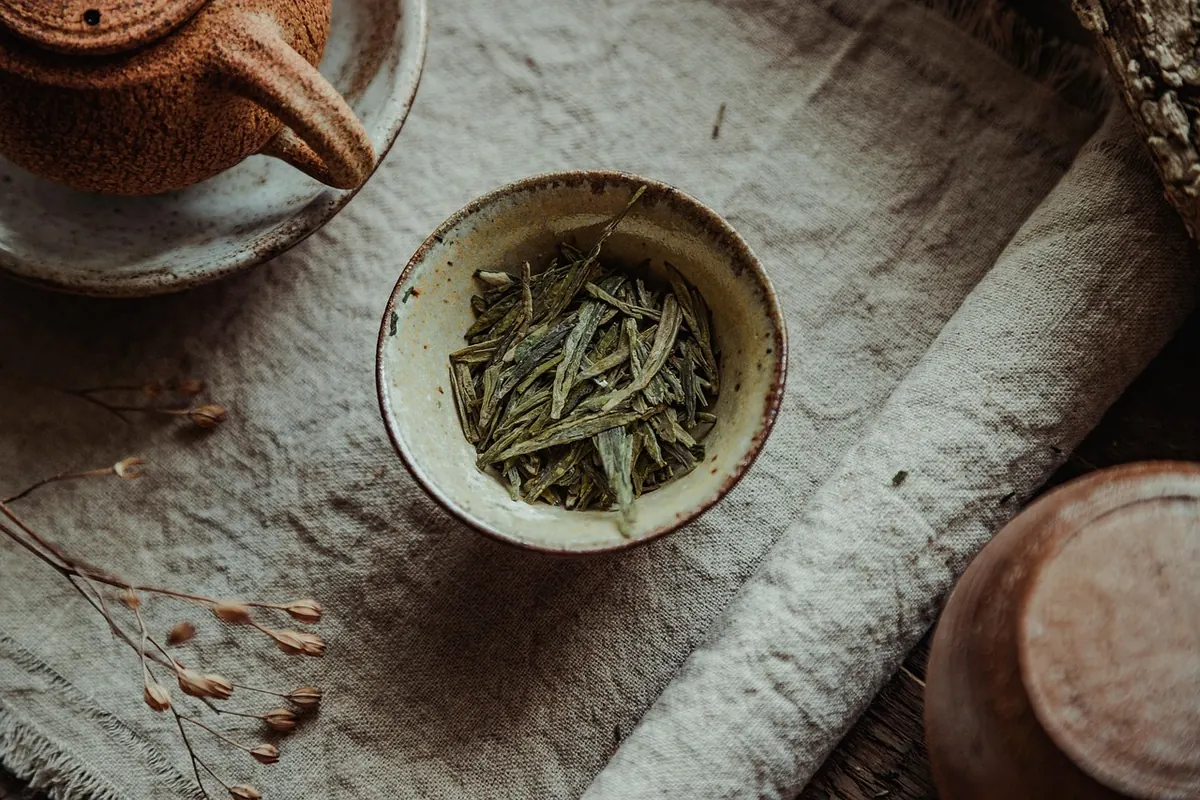
Start with the dry leaf in a warmed cup. Pass it around, then add water and smell the wet leaf. When the tea is poured, smell the empty cup. That last one is the cheapest trick in tea and the most convincing: the fragrance left behind is often clearer than anything in the liquid.
Smell it twice: once for what it is, once for what it reminds you of.
Taste
Encourage a small slurp. It draws air across the tongue and spreads the tea into the back of the mouth. Ask guests to notice weight and texture before flavour: thin or syrupy, drying or slick, cool or warming. Then swallow and wait half a minute. The return, the sweetness that arrives after the cup is empty, is where good tea lives.
Notes
Give people a vocabulary scaffold so they do not freeze. Offer examples that borrow from memory rather than a flavour wheel: wet hay, gardenia, roasted chestnut, hot stone, cocoa nib, the smell of a hardware store. Ask where the flavour sits, front or back, and how long it lasts. There is no wrong note, only an unrecorded one, so write everything down and argue about it later.
Keep the Room Moving
Plan roughly twenty minutes per tea and two hours in total, with a five-minute break in the middle. Brew the first round for everyone yourself, then let guests re-steep their own cups and compare. Watch the clock on delicate greens, which turn bitter fast, and relax with puerh, which will happily give eight or ten rounds.
- Pour the last drop from the pot each time. The final drops are the strongest and they keep steeping.
- Ask one question per tea, not five. “Which of these two would you drink again tomorrow?” gets better answers than a list.
- Keep a clean cup and a glass of warm water for anyone whose palate needs resetting.
- Refill the kettle before it empties. Silence while you boil water is the fastest way to lose a table.
After the Last Cup
Before people leave, go around the table and ask each guest to name one tea they would buy and one they would not. It takes three minutes and gives you the shape of your next tasting. Write the date on your notes, photograph the wrappers, and keep the samples you did not finish in a tin away from light and strong smells.
Then send a short message the next day with the lineup and your own notes attached. Wash the pots in hot water and let them dry open. And when the season turns, choose a new theme, four to six teas, and set the table again. That is the whole method: pick the season, give every tea a job, and slow the room down just enough to notice.
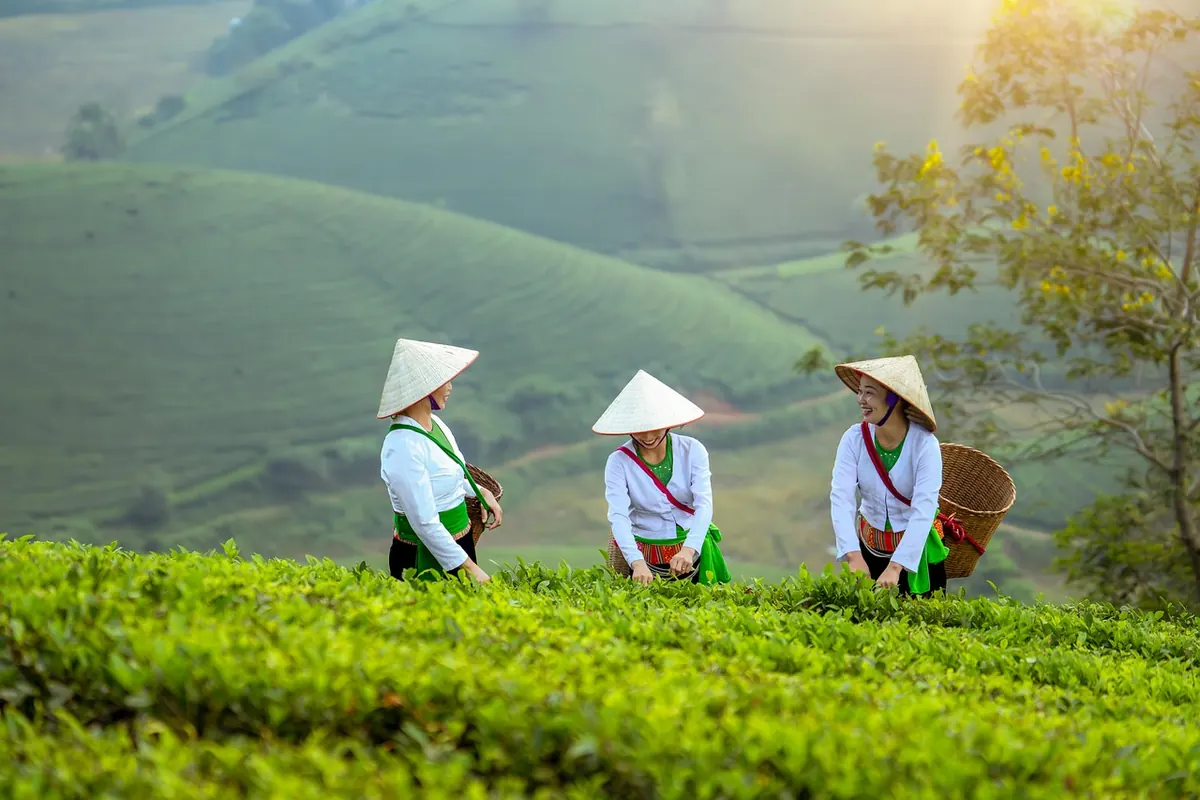
Photo: MrBinZ / Pixabay